
The 5 Best Gel Seat Cushions [Ranked]

Gel seat cushions use a layer of gel, often combined with memory foam, to redistribute pressure across a wider seating surface than a hard chair or car seat provides on its own.
The gel layer stays cooler and firmer under sustained weight than foam alone, which is the main reason people specifically seek out a gel design rather than a plain foam cushion.
For anyone spending hours seated — at a desk, behind the wheel, or in a wheelchair — that pressure redistribution is a genuine comfort and health consideration, not just a marketing detail.
At a Glance: Which Gel Seat Cushion Do You Need?
- For office and desk use: a cooling honeycomb-design cushion helps with heat buildup during long sitting stretches.
- For extended, all-day sitting: a large, thick gel cushion built specifically for long sitting sessions.
- For wheelchair use: a thick cushion designed for wheelchairs with enough depth to genuinely redistribute pressure.
- For back and sciatica-specific relief: a doctor-recommended gel and memory foam design combines both materials.
The 5 Best-Selling Gel Seat Cushions Right Now
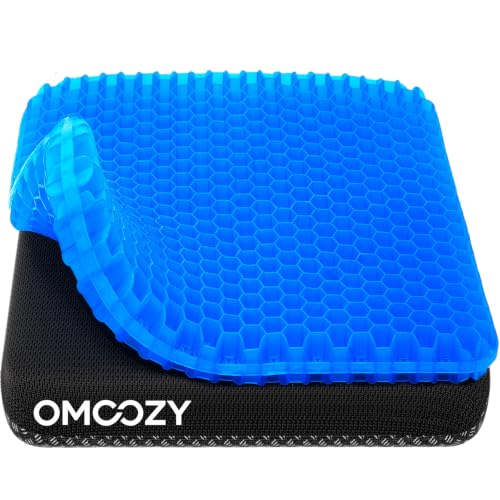
- 【Large size & Help Relieve Pain】gel seat cushion size is 18.51 x 17.33 x 1.51 inch, weight about 2.6lb.Double-layer gel cushion design. Not only thicker, but also more comfortable effectively prevent and alleviate various pain symptoms, including tailbone problems, lumbar strain, sciatica, and degenerative disc disease.
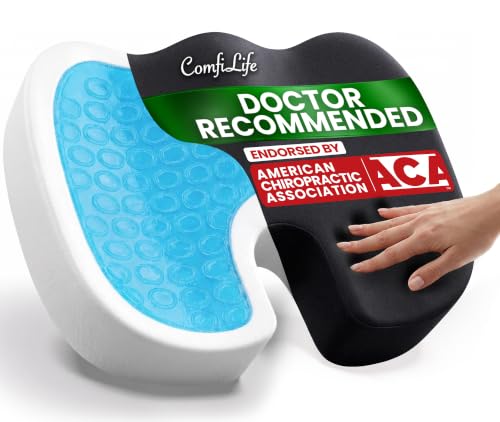
- Most Comfortable Gel Memory Foam Cushion On The Market - ComfiLife's all-in-one features are unrivaled: Non-slip bottom stays in place, built-in handle for easy transport and machine-washable zippered velour cover for easy cleaning. The ComfiLife Coccyx Cushion is the best gel memory foam seat cushion on the market made of premium quality durable memory foam with cool off gel layer on top for superior comfort
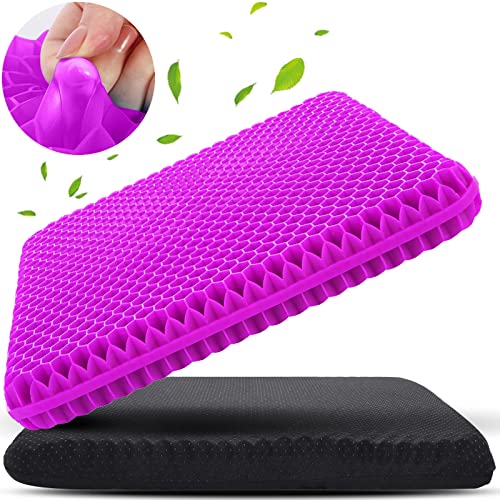
- 【Large & Thick】 This gel seat cushion for long sitting is specially designed large and thick, which is larger and thicker than most other gel cushions. 18.51" × 17.33" × 1.51", which can better match with your chair.(Due to the shrinkable elasticity of the cover, there will be a slight deviation in the measurement size when wearing the cover)
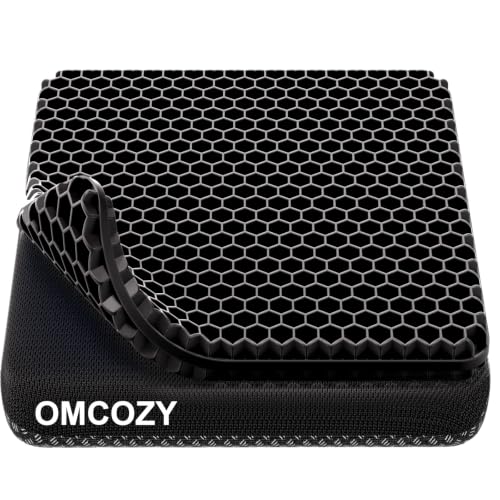
- 【Large size & Help Relieve Pain】gel seat cushion size is 18.51 x 17.33 x 1.51 inch, weight about 2.6lb.Double-layer gel cushion design. Not only thicker, but also more comfortable effectively prevent and alleviate various pain symptoms, including tailbone problems, lumbar strain, sciatica, and degenerative disc disease.
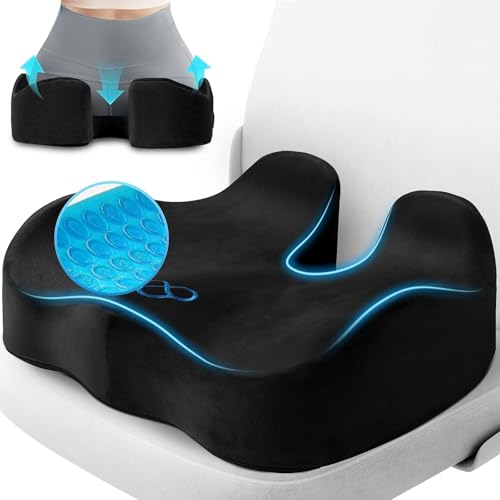
- Soft Ergonomic Contour Design: Our cushion is sculpted with a body-hugging contoured shape that follows your natural hip and spine curves, delivering soft yet targeted support to the tailbone, lower back and hips. It helps alleviate pressure points, promotes proper sitting posture and reduces fatigue from prolonged sitting
Why Gel Specifically Helps With Tailbone Pain
This isn’t just a comfort preference — it’s specific, documented medical guidance.
Cleveland Clinic identifies sitting on a cushion, specifically noting gel and donut-shaped options, as a standard conservative approach to managing coccydynia, the medical term for tailbone pain (Source).
Mayo Clinic guidance goes a step further, specifically recommending a wedge-shaped gel cushion as one of the more effective designs for redistributing weight away from the tailbone itself (Source).
The mechanism is straightforward: a cutout or contoured gel design shifts weight onto the sitting bones instead of the coccyx directly, which is exactly the pressure redistribution a hard, flat seat fails to provide.
Most tailbone pain resolves on its own with conservative measures like this, but if pain is severe, worsening, or doesn’t improve after a few weeks of using a supportive cushion, that’s worth bringing to a doctor rather than continuing to just manage it yourself.
Gel Cushion Types Compared
| Type | Shape | Best For |
|---|---|---|
| Honeycomb/lattice gel | Flat, ventilated grid pattern | Heat dissipation, office and car use |
| Gel and memory foam hybrid | Flat with a gel top layer over foam | Balanced support and pressure relief |
| Contoured/wedge gel cushion | Shaped with a coccyx cutout or rear taper | Tailbone pain, coccydynia relief |
| Wheelchair-rated gel cushion | Thicker, higher-density design | All-day wheelchair use, pressure sore prevention |

Why This Matters More for Wheelchair Users
For anyone who spends most of the day seated with limited ability to shift position, cushion choice is a genuinely more serious consideration than everyday comfort.
Clinical guidance on wheelchair seating specifically identifies a pressure-reducing cushion as advisable for anyone who spends significant portions of their day in a wheelchair or has limited ability to shift their own weight (Source).
That’s because sustained, uneven pressure on the same points of the body — particularly the tailbone and sitting bones — is a documented risk factor for pressure injuries, which can become a serious medical complication if not addressed early.
A quality gel cushion is one part of prevention; regular position changes and pressure-relief movements throughout the day remain important regardless of cushion quality.
Watch: A Real User’s Experience With a Gel Seat Cushion
Getting Positioning Right
A quality cushion still needs correct placement to actually deliver the pressure relief it’s designed for.
For contoured or wedge cushions specifically, sit far enough back that the cutout or taper actually lines up with your tailbone — a cushion positioned too far forward loses most of its targeted benefit.
The wider, flatter side of a wedge cushion typically goes toward the back of the chair, tilting the pelvis slightly forward to help maintain the lower back’s natural curve rather than encouraging a slouched position.
For flat gel cushions without a specific cutout, centering the cushion under your sitting bones matters more than exact front-to-back placement.
If you’re not sure a cushion is positioned correctly, a quick check is whether pressure feels evenly distributed across your sitting bones rather than concentrated at one specific point.
Care and Cleaning
Most gel cushions have a removable, machine-washable outer cover, while the gel and foam core itself should not be machine washed or fully submerged.
Spot-clean the gel layer with a damp cloth and mild soap if needed, and let it air dry fully before reassembling the cover.
Regular cleaning matters more for cushions used daily in a car or office chair, where sweat and general use build up faster than occasional-use cushions.
Check your specific product’s care instructions, since gel composition and cover materials vary enough between manufacturers that a one-size-fits-all cleaning approach isn’t reliable.
What to Look For
- Cushion thickness. Thicker cushions generally provide better pressure redistribution, especially for all-day or wheelchair use.
- Cutout or contour design. A specific coccyx cutout matters more if tailbone pain is your primary reason for buying, versus general comfort.
- Cover material and washability. A removable, washable cover matters significantly for daily use over time.
- Non-slip base. Especially important for car seats and office chairs where the cushion can shift during normal movement.
- Portability. If you’ll move it between a desk chair, car, and other seats, check the weight and whether it includes a carry handle.
Who Actually Benefits Most
- Desk workers and remote employees — hours of daily sitting make cumulative pressure and posture support genuinely worthwhile.
- Drivers and rideshare/delivery workers — extended time in a car seat benefits from the same pressure redistribution as an office chair.
- Wheelchair users — a meaningfully more serious consideration tied to pressure injury prevention, not just comfort.
- Anyone recovering from tailbone injury or dealing with coccydynia — specifically recommended by medical guidance as a conservative treatment step.
- Post-surgical patients — particularly after procedures affecting the lower back, hips, or pelvic area where seated pressure is uncomfortable.
Gel Seat Cushion FAQ
Is gel better than memory foam alone?
Gel stays cooler and maintains firmness better under sustained pressure than foam alone, which is why many cushions combine both — foam for base support, gel for pressure relief and temperature regulation.
How do I know if I need a cutout/contoured design versus a flat cushion?
If tailbone pain specifically is your concern, a contoured or wedge design is the better fit; for general all-day sitting comfort without a specific pain point, a flat gel cushion is usually sufficient.
Can these help with sciatica?
A well-designed cushion can reduce the pressure and poor posture that aggravate sciatic nerve compression, though it’s a supportive measure alongside — not a replacement for — appropriate medical treatment for diagnosed sciatica.
How long do gel cushions typically last?
This varies by usage and quality, but a well-made gel cushion in daily use commonly lasts one to several years before the gel or foam noticeably breaks down and loses support.
Are these safe to use in a car seat?
Yes, most are designed for this use, but check that the specific cushion doesn’t interfere with your seatbelt fit or airbag function, and choose one with a non-slip base for safety while driving.
The Bottom Line
A gel seat cushion is genuinely more than a comfort accessory — it’s a specific, medically-recommended tool for tailbone pain and a real consideration for pressure injury prevention in wheelchair users.
Match the design to your actual need: a contoured cutout for tailbone-specific pain, a thicker high-density option for all-day or wheelchair use, and a cooling honeycomb design if heat buildup during long sitting is your main complaint.
For related options, see our guides to donut cushions and air cushions, and our deeper look at the science behind gel cushion comfort.

