
The 5 Best Posture Correctors [Ranked]

Posture correctors are wearable braces designed to pull your shoulders back and remind your body what an upright position feels like.
They’re popular for a reason.
Most people spend hours a day hunched over a phone, laptop, or steering wheel.
But before you buy one, it’s worth knowing what these devices can and can’t actually do — the honest answer is more nuanced than most product pages let on.
At a Glance: Which Posture Corrector Do You Need?
- For general desk-posture awareness: a lightweight figure-8 style brace worn under clothing.
- For rounded-shoulder correction specifically: research shows a shoulder-focused brace can meaningfully reduce rounded posture and improve discomfort, similar to conventional rehab exercises.
- For all-day comfort: prioritize breathable, adjustable straps — a corrector you take off after an hour because it’s uncomfortable isn’t helping you.
- For long-term posture change: pair any corrector with actual strengthening exercises — a brace alone is not a substitute for that.
The 5 Best-Selling Posture Correctors Right Now

- Say Hello to a Pain-Free Life- The Comfy Brace posture corrector aims to relieve chronic back pain and make long working or standing hours a breeze to get through. By aligning properly your posture, it takes pressure off of key areas, thus alleviating back, neck, shoulder and clavicle pain.

- Enjoy a much healthier life with a posture corrector: Our posture corrector is suitable for men and women, which provides alignment of the back, neck, and shoulder during your activities.
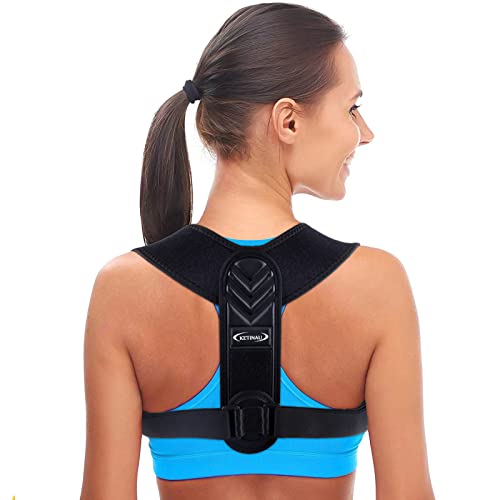
- Improved Posture: Our Adjustable Posture Corrector for women and men provides proper upper back brace, spine support, and alignment for improved posture and reduced neck, back, and shoulder pain relief.It fits chest sizes from 28" to 43",ensuring the perfect fit for a wide range of body types
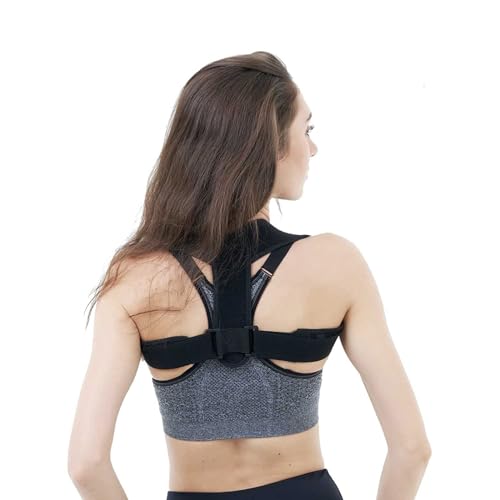
- The Posture corrector for men and women help you open your shoulders, making your bones healthier, circulatory system better, breathing more smoothly, Land helping you develop good habits of sitting, standing, and walking.

- 【Pain Relief】 Follow the scientific concepts of ergonomics, BraceTop posture corrector provides 3 in 1 support to straighten your back, chest and shoulder to keep your body in the correct position. By correcting your posture, our posture effectively relieve back pain, neck pain, lumbar pain and back problems such as humpback, kyphosis, scoliosis.
Do Posture Correctors Actually Work?
This deserves an honest answer, not a sales pitch.
The scientific evidence for posture correctors is genuinely limited, and some of the existing research has been funded by manufacturers themselves, which is worth keeping in mind (Source).
There is more specific evidence for shoulder-focused braces addressing rounded-shoulder posture, where studies have found real improvement in posture and shoulder discomfort, comparable to conventional rehabilitation exercises.
The catch: those braces tend to be bulkier and harder to wear consistently all day.
There’s also a real downside worth knowing before you buy. Long-term, excessive use of a posture brace can actually weaken the core, back, and shoulder muscles that are supposed to hold you upright in the first place, since the brace does that work for you instead.
The more you rely on it, the less those muscles have to do.
That doesn’t mean posture correctors are useless.
It means they work best as a short-term awareness tool and a rehab aid alongside real exercise, not a permanent fix you wear forever instead of building the muscle.
Posture Corrector Types Compared
| Type | How It Works | Comfort | Best For |
|---|---|---|---|
| Figure-8 strap brace | Loops around both shoulders, pulls them back | Lightweight, easy to wear under clothes | General daily awareness, desk work |
| Full back brace | Covers more of the upper back with rigid or semi-rigid support | Bulkier, more noticeable under clothing | More significant slouching or rehab use |
| Electronic/wearable sensor | Vibrates or alerts when you slouch, no physical pulling force | Comfortable, but doesn’t strengthen muscles on its own | Building posture awareness without a physical brace |
| Posture shirt/undergarment | Compression fabric with built-in support panels | Most discreet option | All-day wear under regular clothing |
Common Posture Problems
Not all “bad posture” looks the same, and the specific pattern affects what actually helps.
Rounded shoulders (upper crossed syndrome)
This is the classic desk-worker posture — shoulders roll forward, chest muscles tighten, upper back muscles weaken.
It’s the pattern with the most direct research support for brace effectiveness, since it’s specifically what shoulder-focused correctors target.
Forward head posture (“tech neck”)
Looking down at phones and laptops for hours pulls the head forward of the shoulders.
This adds significant strain to the neck, since your head effectively gets heavier the further forward it tilts.
A standard shoulder brace helps only indirectly here — you may also need to consciously adjust screen height and viewing angle.
Anterior pelvic tilt
Extended sitting can tilt the pelvis forward, exaggerating the lower back’s curve.
This one isn’t addressed by an upper-body posture corrector at all — it needs hip flexor stretching and core strengthening instead.
Sway back
Less common, but involves the pelvis shifting forward relative to the ribcage.
Like anterior pelvic tilt, this is a lower-body pattern a shoulder brace won’t meaningfully touch.
Knowing which pattern actually describes your posture matters more than picking a corrector off a bestseller list — a shoulder brace won’t do much for a pelvic-tilt problem, and vice versa.
Why Posture Actually Matters
This isn’t just a cosmetic concern.
Poor posture forces your neck and back muscles to overwork, and the ongoing strain of the body’s repair process can contribute to inflammation that, over time, plays a role in joint issues nearby (Source).
Workplace posture is a big driver of this.
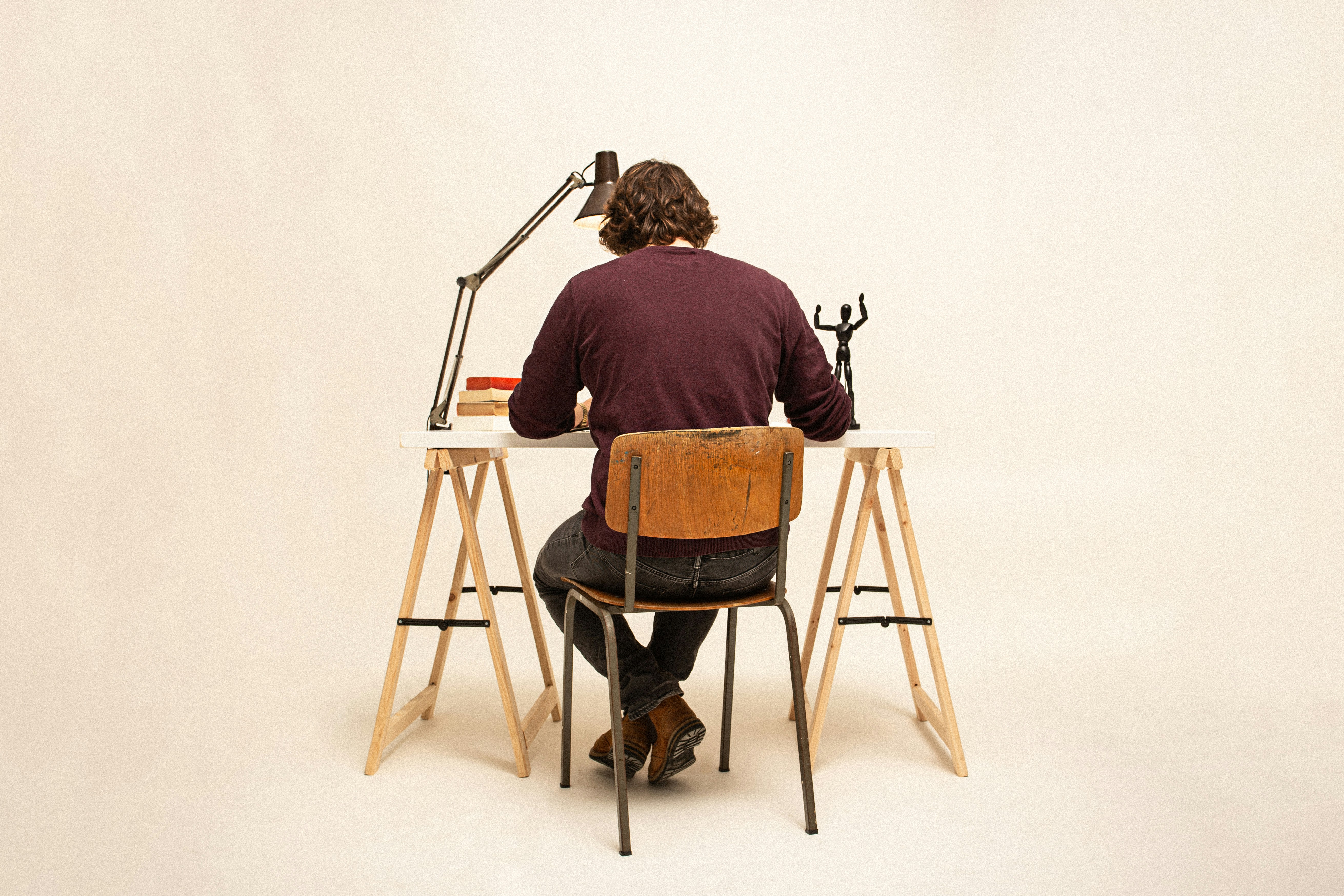
OSHA specifically identifies awkward or unnatural postures — the kind you fall into during long desk sessions — as a major risk factor for musculoskeletal disorders (Source).
How to Use a Posture Corrector Effectively
- Start with short sessions. Wear it for 15-30 minutes at a time initially rather than all day, letting your body adjust gradually.
- Don’t rely on it exclusively. Pair it with posture-strengthening exercises so your muscles are actually building the capability, not just borrowing the brace’s.
- Increase wear time gradually as your body adjusts, rather than jumping straight to all-day use.
- Take breaks. Continuous, unbroken wear works against the goal of building your own muscular support.
- Stop if it causes pain beyond mild initial discomfort — a corrector that hurts isn’t corrective, it’s just uncomfortable.
Watch: How to Fix Your Posture
Who Actually Benefits Most
- Desk workers and remote employees — hours of screen-focused sitting is one of the most common drivers of rounded-shoulder posture.
- People recovering from a slouching-related injury — as part of a broader rehab plan, not a standalone fix.
- Anyone building posture awareness — sometimes the real value is simply noticing when you slouch, which a brace or sensor makes automatic.
- People with mild, non-structural postural issues — significant spinal conditions need actual medical evaluation, not a store-bought brace.
Posture Corrector FAQ
How long should I wear one each day?
Start with 15-30 minutes and build up gradually. Wearing it all day from the start is more likely to cause discomfort than accelerate results.
Will it fix my posture permanently on its own?
Unlikely by itself — the evidence supports it as an awareness and short-term support tool, not a permanent fix. Combine it with strengthening exercises for lasting change.
Can wearing one too much be harmful?
Yes — over-reliance can weaken the muscles that are supposed to maintain posture naturally, since the brace is doing that job instead of your muscles.
Are electronic posture trainers better than physical braces?
They serve a different purpose — electronic sensors build awareness without physically pulling your shoulders, while physical braces provide active support. Neither replaces actual strengthening exercise.
Is a posture corrector a substitute for physical therapy?
No. If you have persistent pain or a suspected structural issue, see a doctor or physical therapist — a posture corrector is a supportive tool, not a medical treatment.
Can I sleep in a posture corrector?
Most aren’t designed for overnight wear, and manufacturers generally advise against it — check your specific product’s guidance, but daytime, awake use is the standard recommendation.
Do posture correctors help with back pain, or just posture?
They can help with pain that’s directly related to postural strain, but they aren’t a general back-pain treatment — persistent or severe pain warrants a proper evaluation rather than assuming a brace will resolve it.
The Bottom Line
A posture corrector can genuinely help you notice and temporarily correct slouching, and shoulder-focused designs have real evidence behind them for rounded-shoulder posture specifically.
What it won’t do is permanently fix your posture while you do nothing else.
Use it as a short-term aid and an awareness tool, pair it with real strengthening exercise, and don’t wear it as a crutch indefinitely.