
The 5 Best Air Cushions [Ranked]

Air cushions use inflatable air cells instead of solid foam or gel to redistribute seated pressure.
Because each cell can shift and equalize independently, an air cushion adapts to your body’s specific contours in a way that solid materials can’t fully replicate.
This isn’t just a comfort feature — air-cell cushions are the clinical standard for wheelchair users at meaningful risk of pressure injuries, and the same underlying design benefits anyone who sits for long stretches.
At a Glance: Which Air Cushion Do You Need?
- For medical-grade pressure relief: a Roho air cell wheelchair cushion is the clinically established standard for high-risk users.
- For everyday comfort use: a general-purpose inflatable seat cushion is usually sufficient if pressure injury risk isn’t a specific concern.
- For portability: air cushions deflate flat, making them genuinely easier to pack and travel with than foam or gel alternatives.
- For adjustable firmness: the ability to add or release air lets you fine-tune support in a way fixed-density foam simply can’t match.
The 5 Best-Selling Air Cushions Right Now
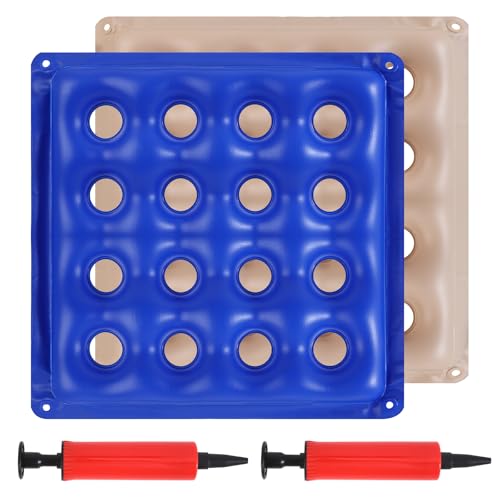
- Innovative Porous Design:Utilizing advanced high-temperature heat pressing and porous structure technology, this cushion effectively disperses seat pressure while promoting air circulation. This design enhances breathability and reduces the risk of pressure sores, providing lasting comfort whether used for extended periods or brief sessions, significantly improving your overall seating experience.
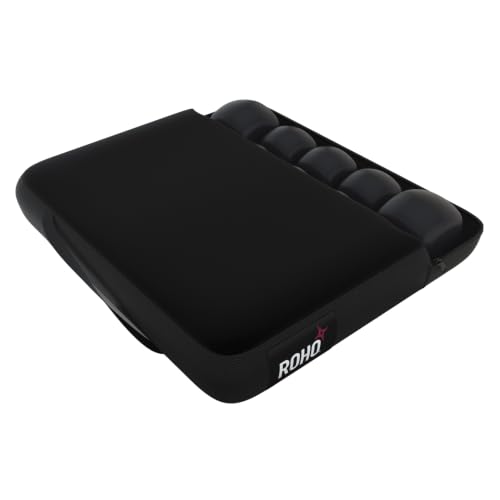
- ADJUSTABLE COMFORT WITH AIR CELL DESIGN: Interconnected 3-inch air cells gently adapt to your shape; customize firmness with the included pump for a more balanced and supportive sitting experience throughout the day
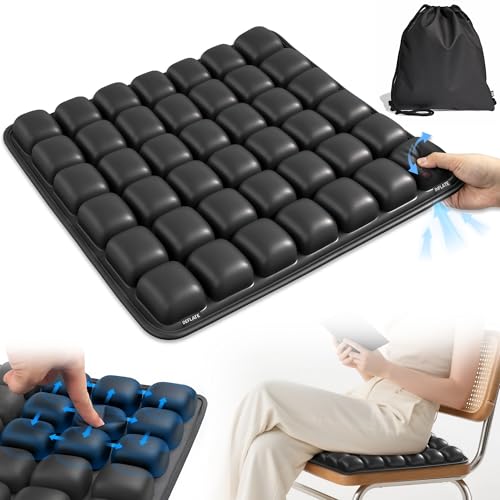
- 【Upgraded Air Valve Design】This upgraded travel seat cushion is designed for portability,featuring a small air pump embedded inside. Simply press the valve repeatedly to inflate. Compared to the previous model,there's no need to carry an air pump, and this inflatable seat cushion can be folded and stored in the included storage bag,maximizing storage space. After inflation, the air release valve can be opened to adjust the amount of air inside the plane seat cushion.The dual-layer valve design ensures a better seal.Effectively mitigating the fatigue associated with prolonged sitting.
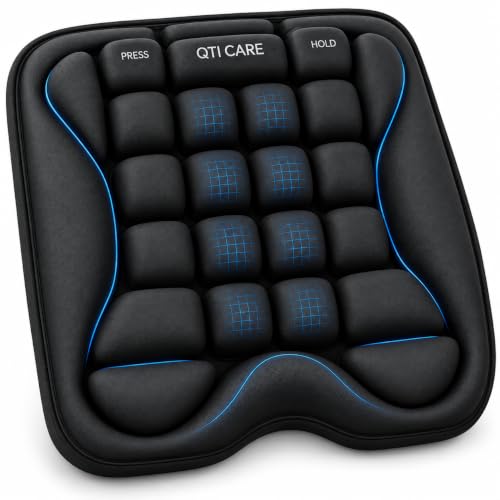
- Built for Long Flights: Designed for long hours of sitting on airplane seats, this inflatable travel cushion adds a softer, more supportive layer between you and a firm seat. Ideal for long flights, business trips, vacations, airport waiting areas, and daily commuting.

- DOCTOR RECOMMENDED RELIEF FOR BED SORES & ULCERS: Providing relief from bed sores and ulcers that result from being bedridden, the alternating pressure mattress instantly promotes increased circulation and helps manage skin maceration. The variable pressure mattress evenly distributes weight and relieves pressure spots–instantly improving your loved one’s quality of life. Perfect for immobilized, bedridden patients who cannot shift their weight frequently.
Why Air-Cell Design Outperforms Foam for High-Risk Users
This is backed by real comparative research, not just manufacturer marketing.
A published comparison of air-filled wheelchair cushions specifically for people with spinal cord injuries found meaningful differences in pressure redistribution between cushion designs, reinforcing that cushion choice is a genuine clinical decision, not an interchangeable comfort preference (Source).
A broader systematic review of therapeutic interventions for pressure ulcers following spinal cord injury similarly supports specialized cushioning as part of an effective prevention strategy (Source).
The reason air cells outperform foam for high-risk users comes down to how each material responds to sustained weight: foam compresses and stays compressed under a bony prominence, while air redistributes and continues to equalize as the body shifts, reducing sustained pressure at any single point.
Getting the Inflation Level Right Actually Matters
An air cushion only works as intended if it’s inflated correctly — this isn’t a “more air is better” situation.
Manufacturer clinical guidance describes a specific “hand check” calibration method: with the user seated normally, slide a hand between the cushion and the body near the lowest bony prominence, and adjust air until there’s roughly half an inch to one inch of clearance felt beneath that point (Source).
Too much air defeats the purpose by essentially turning the cushion into a firm platform again; too little air lets the body “bottom out” against the seat surface underneath.
For anyone using an air cushion specifically for pressure injury risk, this calibration should be checked regularly, not set once and forgotten — clinical guidance generally recommends a routine check.
Air Cushion Types Compared
| Type | Cell Structure | Best For |
|---|---|---|
| Single-compartment inflatable | One connected air chamber | General comfort, travel, everyday use |
| Multi-cell (ROHO-style) cushion | Individual interconnected air cells | High pressure-injury risk, wheelchair users |
| Dual-layer air/foam hybrid | Air cell layer over a foam base | Balanced support with more stability than air alone |
| Contoured air cushion | Shaped cells with a coccyx cutout | Tailbone-specific pressure relief |

Watch: How to Properly Inflate an Air Cushion
What to Look For
- Cell structure. Interconnected multi-cell designs generally provide more adaptive pressure redistribution than a single air chamber.
- Valve quality and accessibility. A reliable, easy-to-reach valve makes routine inflation checks realistic rather than a hassle you’ll skip.
- Cover material. A low-friction, breathable cover reduces shear forces on skin, an additional factor in pressure injury risk beyond direct pressure alone.
- Puncture resistance. Durability matters more for daily, sustained use than for occasional or travel use.
- Weight capacity and size. Confirm the specific cushion is rated for your weight and fits your chair or seat dimensions correctly.
Common Problems and Fixes
The cushion feels flat or bottomed out
Check for a slow leak first — a valve that isn’t fully sealed is a common, easily fixed cause.
If the cushion holds air but still feels inadequate, it may simply need more air added, or it may have reached the end of its usable life if the material has degraded.
The cushion feels too firm or unstable
Too much air removes the adaptive benefit that makes air cushions effective — release air gradually and recheck using the hand-check method rather than guessing.
Uneven support side to side
This can indicate a leak in one specific cell (on multi-cell designs) or that the cushion isn’t centered correctly in the seat.
Cleaning, Storage, and Travel
Most air cushions have a removable cover that’s separately washable — check the manufacturer’s specific instructions before machine washing, since some covers require air drying to avoid damaging waterproof backing.
The air cells themselves typically just need wiping down with a damp cloth and mild soap, since fully submerging or machine washing the inflatable portion risks damaging valves and seams.
For storage or travel, deflate the cushion fully and let it dry completely before packing it away, since trapped moisture in a folded, deflated cushion is a genuine way to develop odor or mildew over time.
When traveling, pack a small repair kit or patch if your specific cushion supports one, and note that airline cabin pressure changes generally don’t meaningfully affect a properly sealed air cushion, though checking it after a flight before relying on it is a reasonable habit.
Who Actually Benefits Most
- Wheelchair users at risk of pressure injuries — the clinically supported use case with real research behind it, not just marketing.
- Anyone recovering from surgery affecting seated comfort — adjustable firmness helps accommodate changing sensitivity during recovery.
- Frequent travelers — deflates flat for packing in a way solid cushions can’t match.
- People with limited ability to shift position independently — the adaptive redistribution matters most when regular position changes aren’t easily possible.
Air Cushion FAQ
How is an air cushion different from a gel cushion?
Air cells actively redistribute and equalize as your body shifts, while gel primarily absorbs and disperses pressure passively — air cushions are generally considered superior for genuinely high pressure-injury risk, while gel is often sufficient for everyday comfort.
How often should I check the inflation level?
For anyone using one specifically for pressure injury prevention, a routine check (many clinical guides suggest daily or with each use) is recommended; for general comfort use, check whenever the cushion feels noticeably different than usual.
Can an air cushion puncture or leak?
Yes — quality varies by product, and puncture resistance is worth prioritizing for daily, sustained use rather than occasional comfort use.
Is a multi-cell design worth the extra cost over a basic inflatable cushion?
For genuine pressure-injury risk, yes — the clinical research specifically supports multi-cell, interconnected designs over single-chamber alternatives for that use case.
Can I use an air cushion in a regular chair, not just a wheelchair?
Yes — the same pressure redistribution principle applies to any prolonged seated use, though the medical urgency is generally lower without an underlying mobility or sensory condition.
The Bottom Line
Air cushions aren’t just a premium version of gel or foam — the interconnected air-cell design is genuinely different, and for high pressure-injury risk, it’s the clinically supported choice backed by real comparative research.
Get the inflation level right using the hand-check method, and recheck it regularly rather than setting it once and forgetting about it.
For related options, see our guides to gel seat cushions, donut cushions, and lightweight wheelchairs, and for a deeper look at the comfort and pressure-relief mechanics involved, see our guide to the benefits of air cushions.