
The 5 Best Drawing Salves [Ranked]

Drawing salves are topical ointments traditionally used to help draw splinters, minor debris, and pus from boils to the skin’s surface.
The most common active ingredient is ichthammol, a sulfur-derived compound that’s been used this way for well over a century.
Before anything else, there’s an important naming issue worth clearing up.
Important: Drawing Salve Is Not the Same as “Black Salve”
This distinction matters for your safety, so it comes first.
The FDA has specifically warned that products marketed as “black salve” — sometimes also sold under names including drawing salve, red salve, or Black Drawing Ointment — can contain corrosive ingredients like bloodroot (Sanguinaria canadensis) or zinc chloride (Source).
These escharotic ingredients chemically burn and destroy skin tissue.
They are not the same thing as standard ichthammol-based drawing salve, which is a mild, well-tolerated OTC product sold at pharmacies for over a century.
The FDA has documented dozens of adverse events tied to escharotic black salve products, including permanent disfigurement, tissue necrosis, and at least one death from someone who used it instead of proven cancer treatment.
The agency has also taken enforcement action against companies marketing these products with false cancer-cure claims (Source).
A peer-reviewed clinical review specifically describes black salve as “a dangerous corrosive disguised as an alternative medicine” (Source).
The takeaway: before buying any product in this category, check the ingredient list. If it contains bloodroot, Sanguinaria canadensis, or zinc chloride, do not use it — especially not on a mole, growth, or anything you suspect could be skin cancer. See a dermatologist for that instead.
At a Glance: What Drawing Salve Actually Helps With
- Splinters and minor embedded debris: the classic use case — applied and left on to help draw the object toward the surface.
- Boils and minor skin abscesses: traditionally used to help bring a boil to a head.
- Ingrown hairs: can help soften the surrounding skin and reduce irritation.
- Minor skin irritation: some users apply it for general minor irritation, though it isn’t a treatment for serious skin conditions.
The 5 Best-Selling Drawing Salves Right Now
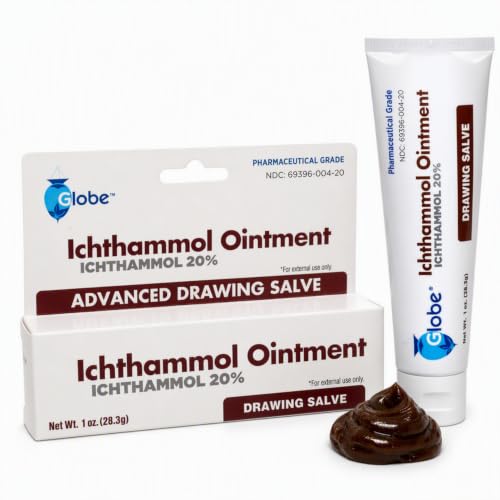
- SOOTHING SKIN RELIEF: Globe Ichthammol 20% Ointment is perfect for treating the following: plant irritations, such as nettles or poison ivy, insect bites, stings from mosquitoes, spider, and bees, removing slivers, minor skin infections such as ingrown toenail.
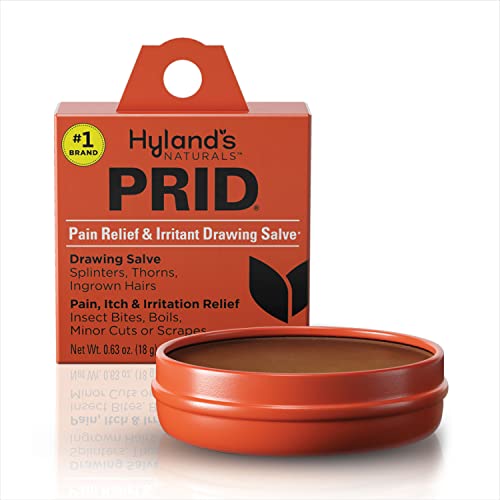
- RELIEF OF BOILS, SKIN ERUPTIONS, REDNESS, SKIN IRRITATIONS AND MINOR SUPERFICIAL CUTS AND SCRATCHES SYMPTOMS

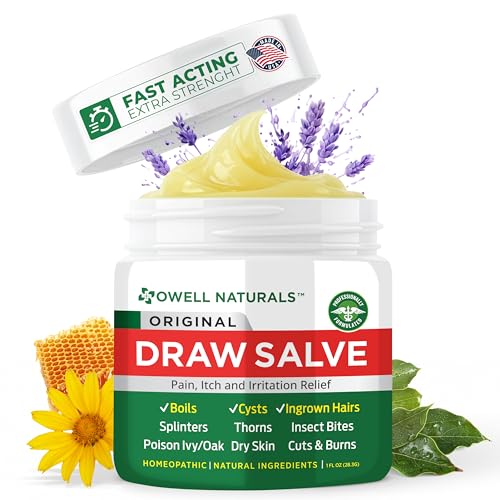
- Fast-Acting Natural Rescue for Stubborn Breakouts: Meet Our Drawing Salve! with tea tree–infused balm that works fast to calm your skin’s toughest spots. Perfect for those cystic acne, boils, Sores and HS flare-ups.
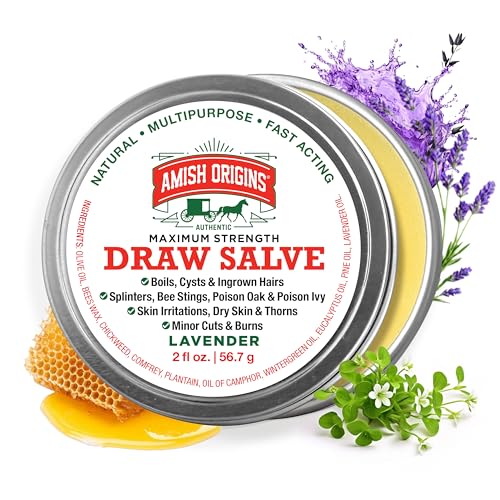
- Maximum Strength Formula: This drawing salve ointment features a powerful, fast-acting formula specifically designed to draw out impurities from boils, splinters, and other skin irritations, providing effective relief when you need it most

- Maximum Strength Drawing Salve: it's the most effective Cream for Drawing out Ingrown hair, Boils, Cysts, Splinters, abscess, Ingrown Toenails
What’s Actually In It
Ichthammol, the primary active ingredient in legitimate drawing salve, is a sulfur-derived compound with a strong, long-established safety record and no absolute contraindications for topical use, with adverse effects generally limited to mild skin irritation.
Beyond ichthammol, common traditional ingredients include beeswax, various plant extracts like chickweed or comfrey, and sometimes vitamin E.
None of these carry the safety concerns associated with escharotic ingredients.
A Brief History
Drawing salve has roots in traditional herbal medicine, with versions of the recipe developed and used long before modern pharmaceuticals existed.
Commercial versions gained real popularity in the late 1800s, when small manufacturers sold salves based on family recipes passed down for generations.
As modern medicine advanced, its everyday use declined, but it never disappeared entirely.
It’s still manufactured and sold today by companies that have kept versions of these traditional formulations largely unchanged, valued by people who want a simple, low-tech option for minor skin issues.
How Ichthammol Actually Works
The “drawing” effect isn’t folk mythology — ichthammol has documented anti-inflammatory, mild antibacterial, and keratolytic (skin-softening) properties.
It works partly by softening the outer layer of skin around a splinter or boil, and partly through anti-inflammatory action that helps reduce swelling and encourage a boil to come to a head so it can drain (Source).
This is also why it’s occasionally used in more clinical settings, including diluted preparations for minor ear irritation, though its most common household use remains splinters and boils.
None of this makes it a cure-all — it’s a mild, well-understood topical aid for specific minor skin issues, not a substitute for medical care when something is actually serious.
Drawing Salve Types Compared
| Type | Primary Ingredient | Typical Use | Safety Notes |
|---|---|---|---|
| Ichthammol ointment | Ichthammol (ammonium bituminosulfonate) | Splinters, boils, minor skin irritation | Well-established safety record, mild formulation |
| Herbal drawing salve | Plant-based blends (chickweed, comfrey, beeswax, etc.) | Similar traditional uses | Generally mild; check the full ingredient list regardless |
| Homeopathic preparations | Highly diluted natural ingredients | Marketed for similar minor uses | Not FDA-reviewed; efficacy beyond the base ingredients is not established |
| “Black salve” / escharotic | Bloodroot (sanguinaria) and/or zinc chloride | Marketed (illegally, for cancer) — do not use | FDA-warned: causes tissue destruction, disfigurement; documented deaths |
How to Use Drawing Salve Safely
- Check the ingredient list first. Confirm it does not contain bloodroot, Sanguinaria canadensis, or zinc chloride.
- Apply a small amount directly to the affected area and cover with a bandage if needed.
- Leave it on as directed — often overnight for splinters, which may take one or more applications to work.
- Remove debris gently with clean tweezers once it’s closer to the surface, rather than digging or squeezing.
- Stop use and see a doctor if the area worsens, shows signs of spreading infection, or doesn’t improve within a few days.
- Never use any salve on a suspected cancerous growth. See a dermatologist for proper evaluation instead.
Watch: Safely Removing a Splinter
When to See a Doctor Instead
- Any suspicious mole, growth, or lesion. Never self-treat a possible skin cancer with any over-the-counter salve — get it evaluated by a dermatologist.
- Signs of spreading infection — increasing redness, warmth, swelling, red streaking, or fever.
- A splinter or object that won’t come out after a reasonable attempt, especially if it’s deep or near a joint.
- Diabetics or anyone with poor circulation managing any skin wound, since healing complications are more likely and warrant professional care.
- A boil that’s large, very painful, or recurring — this may need drainage or antibiotics a salve alone won’t provide.
Caring for the Area After a Splinter Comes Out
Getting the object out isn’t the last step — how you treat the site afterward matters too.
Clean the area gently with soap and water once the debris is removed, rather than assuming the salve’s antibacterial properties make additional cleaning unnecessary.
A small bandage protects the area from re-contamination while it closes, especially for anything on hands or feet that will be back in contact with dirt or shoes soon after.
Watch the site over the following day or two — mild redness right at the site is normal, but redness that spreads outward, increasing warmth, or new pain are signs worth having checked rather than waiting out.
Storage and Shelf Life
Standard ichthammol ointment is fairly stable when stored in a cool, dry place away from direct sunlight, and most commercial versions carry an expiration date on the tube or tin.
Discard any product that has visibly separated, changed color significantly, or developed an unusual odor beyond its normal strong sulfur smell, rather than assuming it’s still effective past that point.
Drawing Salve FAQ
Is drawing salve the same thing as black salve?
No, and this is the single most important thing to understand before buying. Standard ichthammol-based drawing salve is a mild OTC product; “black salve” containing bloodroot or zinc chloride is a corrosive product the FDA has specifically warned against.
Can drawing salve treat skin cancer?
No. There is no credible scientific evidence supporting this, and using any salve product instead of proven medical treatment for a cancerous or suspected cancerous growth can delay diagnosis and allow the condition to progress. See a dermatologist.
How long does it take to draw out a splinter?
It varies — sometimes a single overnight application is enough, sometimes it takes a few applications over several days. If it isn’t working after a reasonable attempt, see a doctor rather than continuing indefinitely.
Are there side effects?
Ichthammol-based products are generally well-tolerated, with occasional mild skin irritation being the most commonly reported issue.
Is homemade drawing salve safe?
Homemade versions using mild traditional ingredients (beeswax, oils, activated charcoal, clay) are generally reasonable, but the same rule applies: never use bloodroot or any escharotic ingredient, homemade or store-bought.
The Bottom Line
A standard ichthammol drawing salve is a mild, well-tolerated, genuinely useful tool for splinters, boils, and minor skin irritation — a real product with a long track record, not a miracle cure.
What it is not is a treatment for skin cancer or serious growths, and it is critically important not to confuse it with “black salve” products containing bloodroot or zinc chloride, which the FDA has directly linked to serious, sometimes permanent harm.
Check the ingredient list, use it for what it’s actually good at, and see a dermatologist for anything more serious.

